
For off-road enthusiasts, upgrading your Jeep’s suspension is a crucial step to enhance both performance and durability on rugged terrains. One of the most impactful modifications you can make is to install a proper lift kit. A well-designed lift kit not only increases ground clearance but also improves approach and departure angles, allowing your vehicle to tackle obstacles that may previously have been insurmountable.
When considering a suspension lift, it’s essential to understand the various options available and the benefits they offer. Depending on your off-roading style and the specific terrain you encounter, different lift kits may provide unique advantages. Additionally, it’s vital to approach the lifting process with careful consideration to safety and stability. Ensuring that the lift is done correctly will contribute significantly to the longevity of your Jeep and the safety of your adventures.
Installing a lift kit involves more than just the physical components; it requires understanding how each upgrade interacts with your Jeep’s existing systems. Proper alignment, shock absorber selection, and maintaining the vehicle’s weight distribution are all critical factors to ensure a successful lift. By adhering to safe lifting techniques and seeking professional guidance when necessary, you can fully enjoy the benefits of an upgraded suspension without compromising your Jeep’s performance or safety on the trails.
Choosing the Right Lift Kit for Your Jeep Model
Selecting the proper lift kit for your Jeep model is crucial for enhancing its off-road capabilities while ensuring safety and performance. Lift kits come in various types and sizes, allowing for a tailored upgrade that fits specific driving needs and terrain preferences.
First, determine your Jeep model and year. Different models, such as the Wrangler, Cherokee, and Gladiator, may require specific lift kits designed to accommodate their unique suspension systems. Researching compatibility will help avoid any installation challenges and ensure optimal performance.
Next, consider the purpose of your lift. Are you seeking increased ground clearance for rock crawling or merely a subtle suspension upgrade for improved aesthetics? Each lift kit offers varying heights, typically ranging from 1 to 6 inches, so select one that aligns with your intended use. It’s essential to strike a balance between achieving the desired lift and maintaining your Jeep’s handling characteristics.
Additionally, evaluate the components included in the lift kit. Quality kits should feature durable springs, shocks, and necessary hardware to ensure a comprehensive upgrade. Many manufacturers also provide options with performance shocks designed for different terrains, enhancing ride comfort and stability.
Lastly, don’t overlook the potential need for additional modifications. After lifting your Jeep, drivetrain components, steering geometry, and brake lines may require adjustments to maintain proper function. Research the full scope of modifications needed based on the lift height and consult with experienced off-road specialists if necessary.
Step-by-Step Guide to Lifting Your Jeep Safely
When it comes to enhancing the off-road capability of your Jeep, installing a lift kit can make a significant difference. However, executing this task requires careful planning and attention to safety. Follow this step-by-step guide to lift your Jeep correctly and safely.
Step 1: Gather Your Tools and Parts
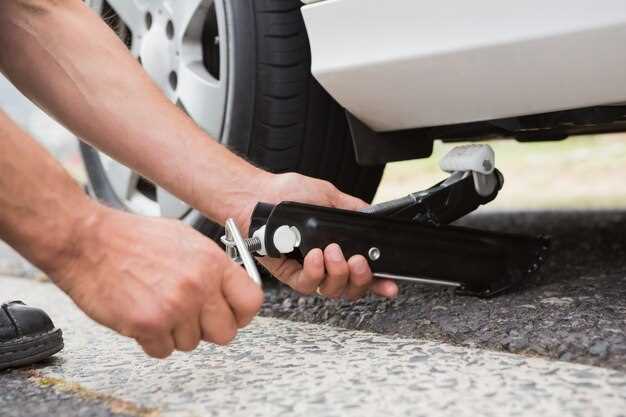
Before starting, ensure you have all necessary tools and components. Common tools include a jack, jack stands, wrenches, and a torque wrench. The lift kit should be specific to your Jeep model and include all necessary suspension components.
Step 2: Prepare Your Jeep
Park your Jeep on a flat, stable surface and engage the parking brake. It’s essential to eliminate any movement while working. Remove the wheels to access suspension components more easily.
Step 3: Remove the Old Suspension
Carefully detach the old suspension components. Start with the shocks, followed by the springs. Make sure to note the order of disassembly for ease of reinstallation. Using a torque wrench, release the bolts gradually to avoid stressing the axle.
Step 4: Install the Lift Kit Components
Position the new suspension parts from your lift kit. Begin by installing the new springs and shocks, ensuring they are aligned correctly. Follow the manufacturer’s instructions for torque specifications, as proper torque is crucial for safety and stability.
Step 5: Reattach the Wheels
Once all components are securely installed, it’s time to reattach the wheels. Ensure they are fitted correctly and that the lug nuts are tightened to the recommended specifications. Use a cross pattern to ensure even pressure.
Step 6: Check Alignment and Suspension Travel
After lifting, it’s important to check the vehicle’s alignment. A properly aligned suspension will enhance driving comfort and tire longevity. Verify that the suspension can travel freely without any obstructions or strain.
Step 7: Test Drive
Carefully test drive your lifted Jeep to ensure everything functions correctly. Listen for any unusual noises and pay attention to handling. If you notice any issues, recheck the installation of all components.
By following this step-by-step guide, you can lift your Jeep safely and enhance its off-road capabilities while ensuring a smooth and secure ride.
Common Mistakes When Upgrading Suspension and How to Avoid Them
Upgrading the suspension on your Jeep is essential for enhancing off-road performance, but it’s easy to make errors that can lead to poor handling or unsafe conditions. One common mistake is not considering the overall balance of the Jeep after a suspension upgrade. Installing a larger suspension kit without adjusting other components, such as the shocks or sway bars, can result in a rough ride and decreased stability. To avoid this, ensure that all parts are compatible and designed to work together.
Another frequent error is neglecting to account for the Jeep’s intended use. Some enthusiasts choose extreme lift kits without understanding how it affects their vehicle’s center of gravity. Excessive height can lead to tipping during turns or off-camber situations. Choose a suspension kit that suits your driving style and typical terrain while maintaining a low center of gravity for better control.
Improper alignment after a suspension upgrade is also a prevalent issue. Many Jeep owners fail to get a professional alignment post-installation, which can cause uneven tire wear and compromise handling. Always invest in a proper alignment to ensure that your Jeep performs optimally on and off the road.
Lastly, insufficient attention to the quality of components can lead to issues down the line. Opting for cheaper parts may save money initially but can result in poor performance and safety concerns. Select a reputable suspension kit with high-quality materials to avoid future problems and enhance your off-road experience.


